Rahul & Gunjan's founding steps towards PRAYAAN
For Rahul and Gunjan, thread was more than just relevant to their textile education and understanding. Metaphorically, thread stood for something fluid, flexible, and reminiscent of constantly moving, finding passage, and carrying forward. Even a broken thread implies that there was once a beginning, and its loose end points toward the possibilities that lie ahead, something to look forward to, a hopeful continuation.
When they started Threadarte, loose, collected waste threads became not only their canvas but also their medium. The medium gave them the freedom to work with textile beyond its conventional plane, to explore scale, density, and dimension, while still keeping fluidity and flow as constant elements. They realised that textile, too, could hold undulations and sculpted folds, forms that felt semi-permanent or permanent, carrying layered meanings and associations.
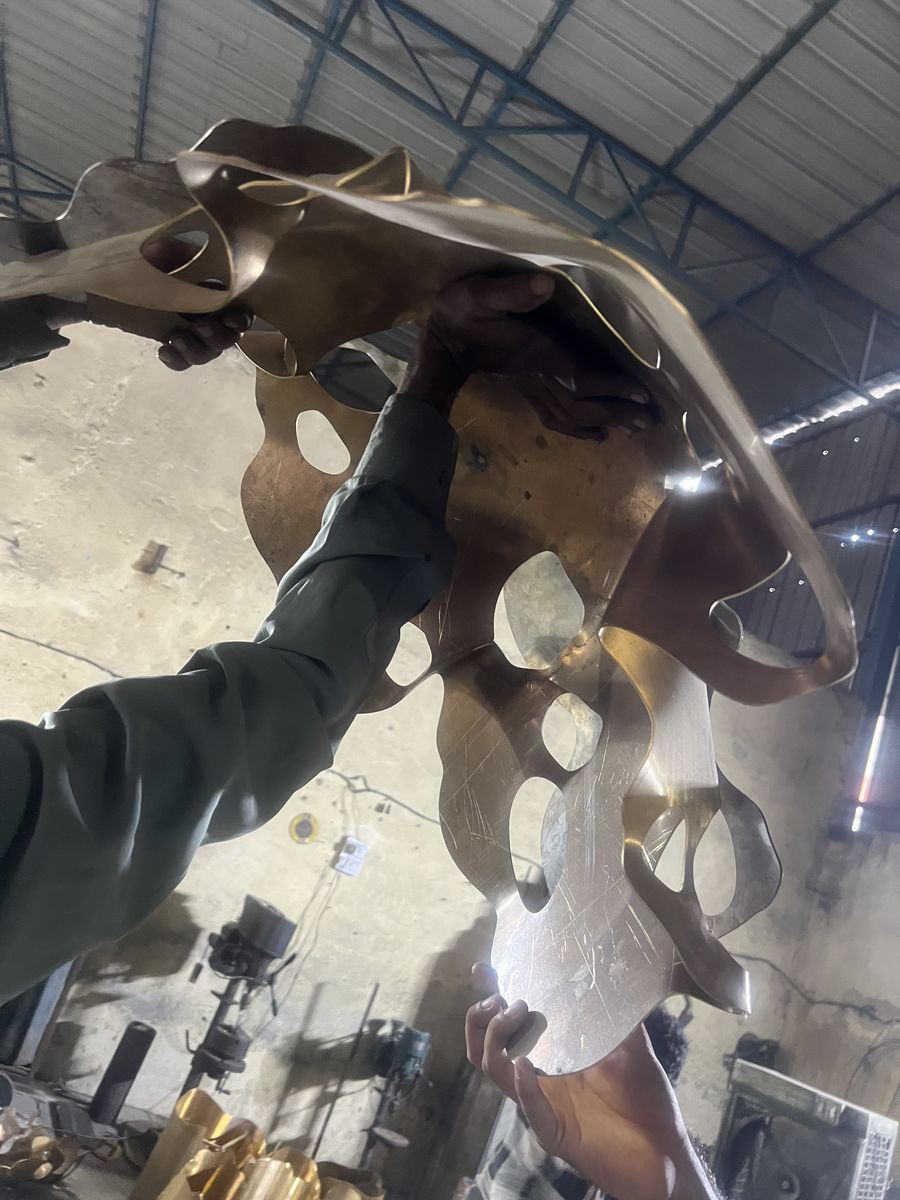
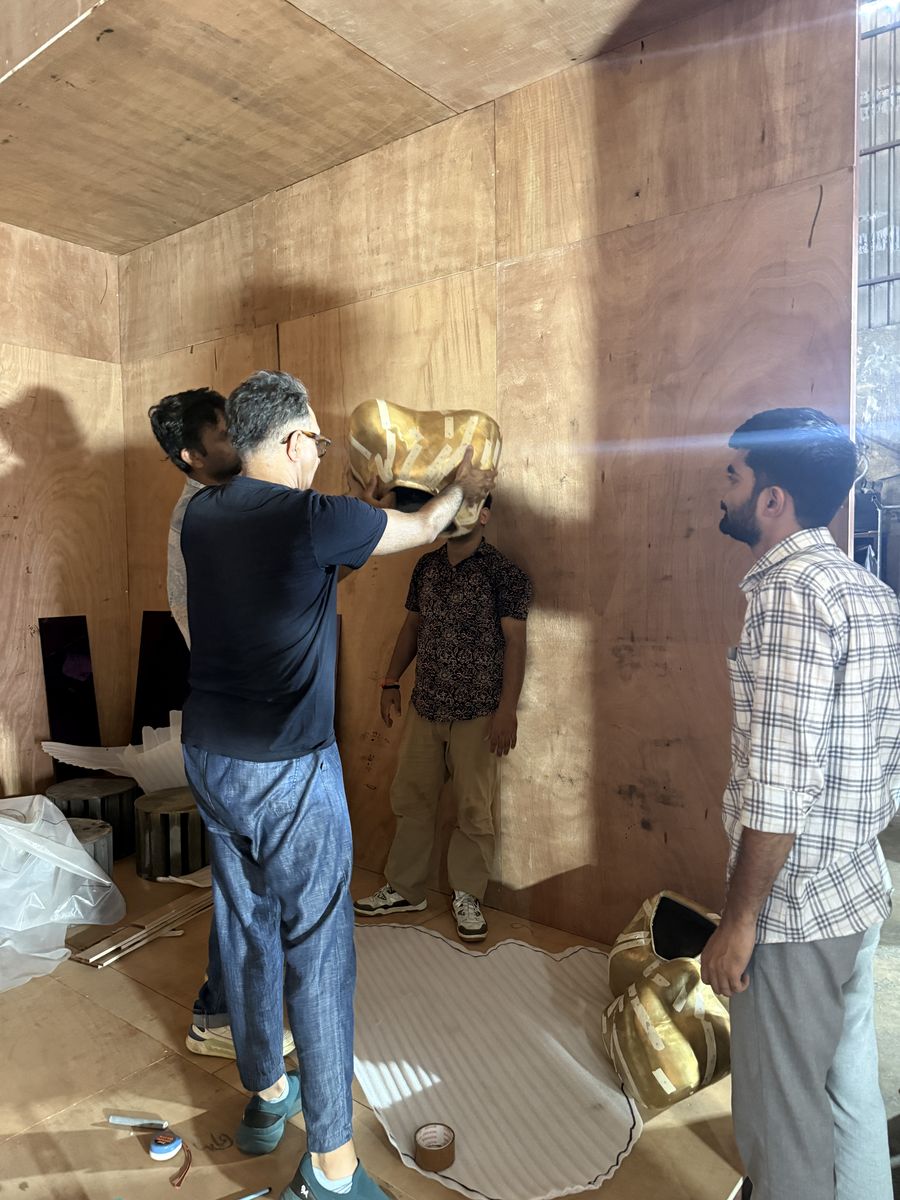
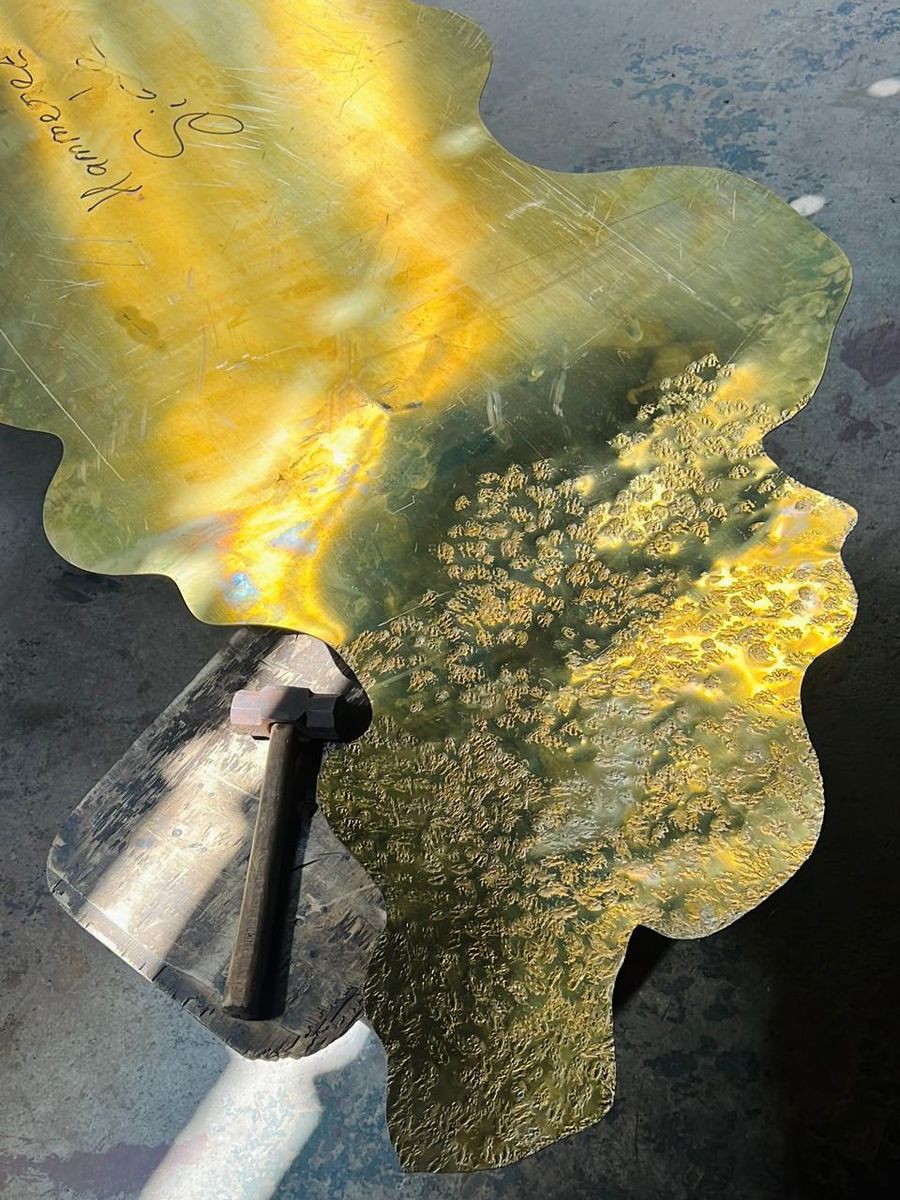
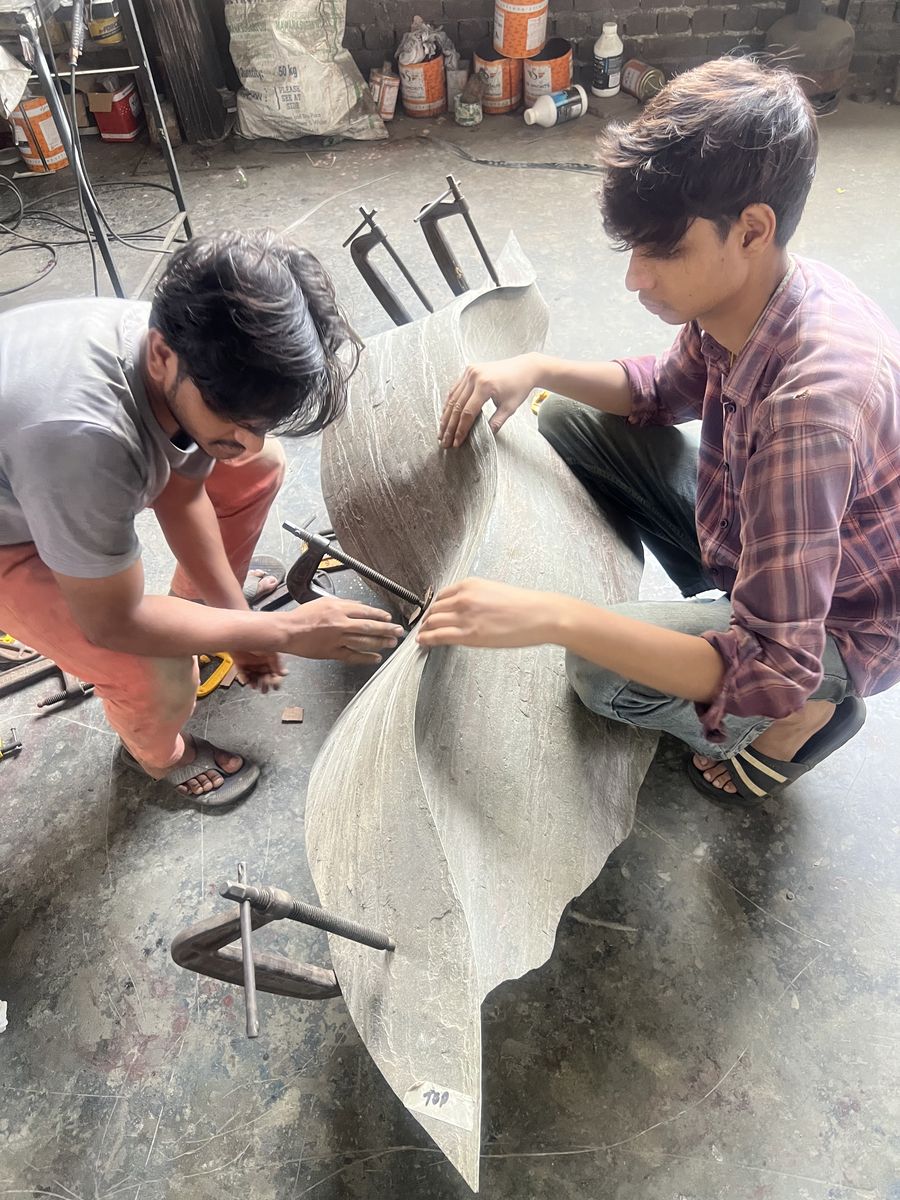
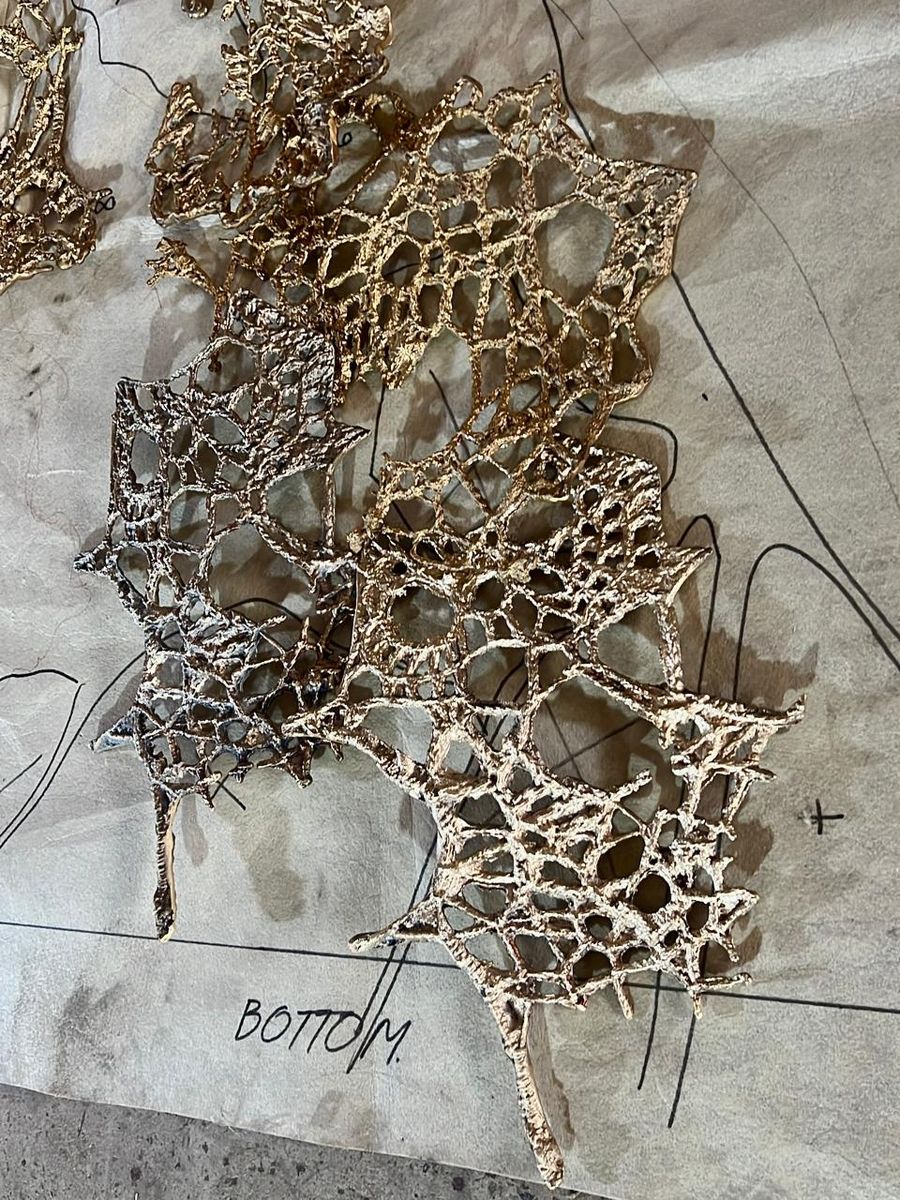
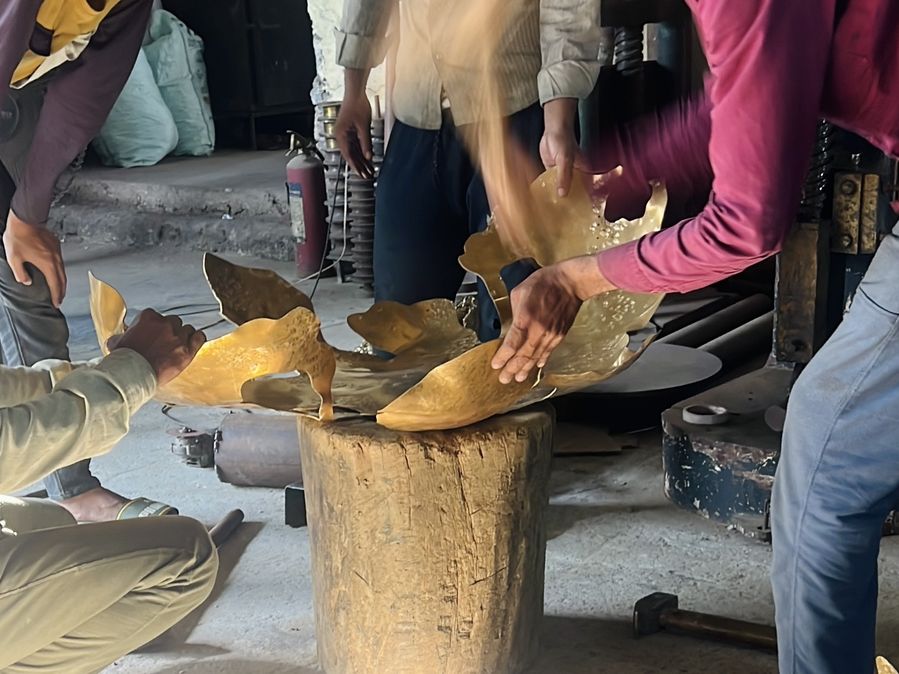
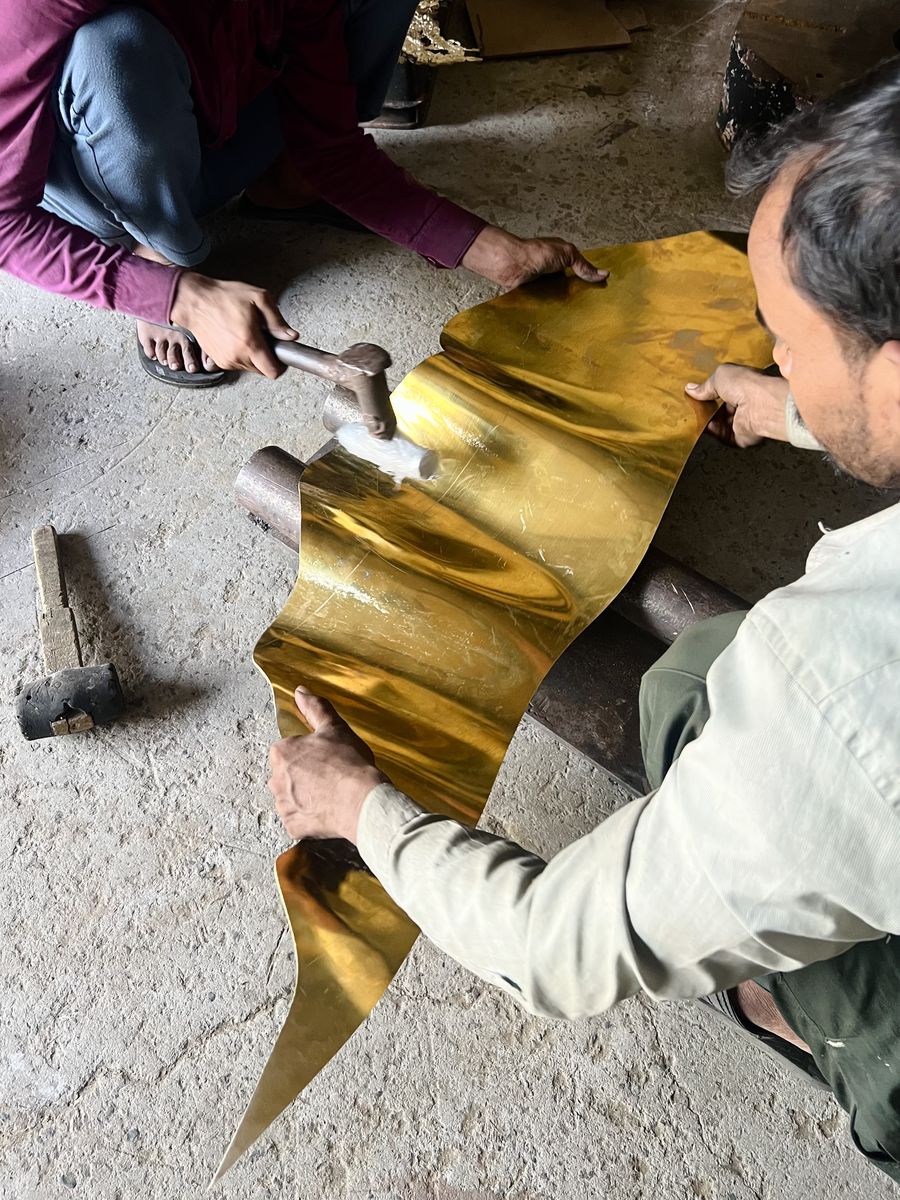
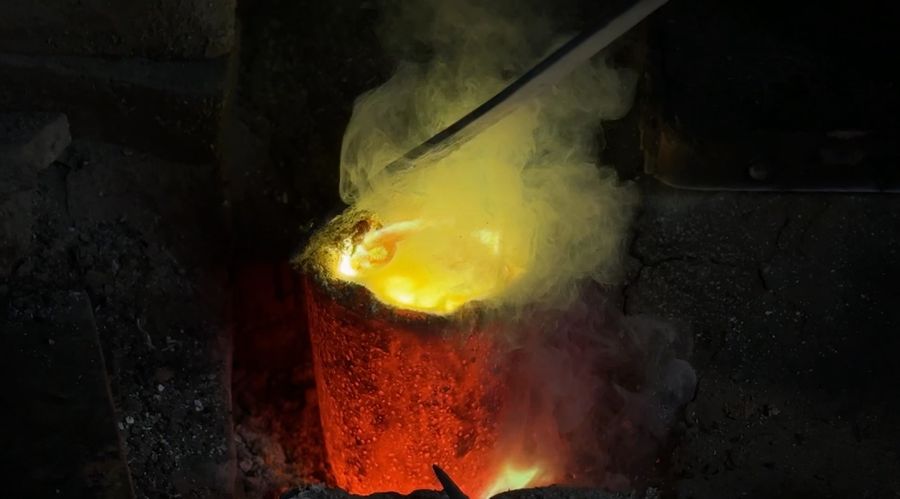
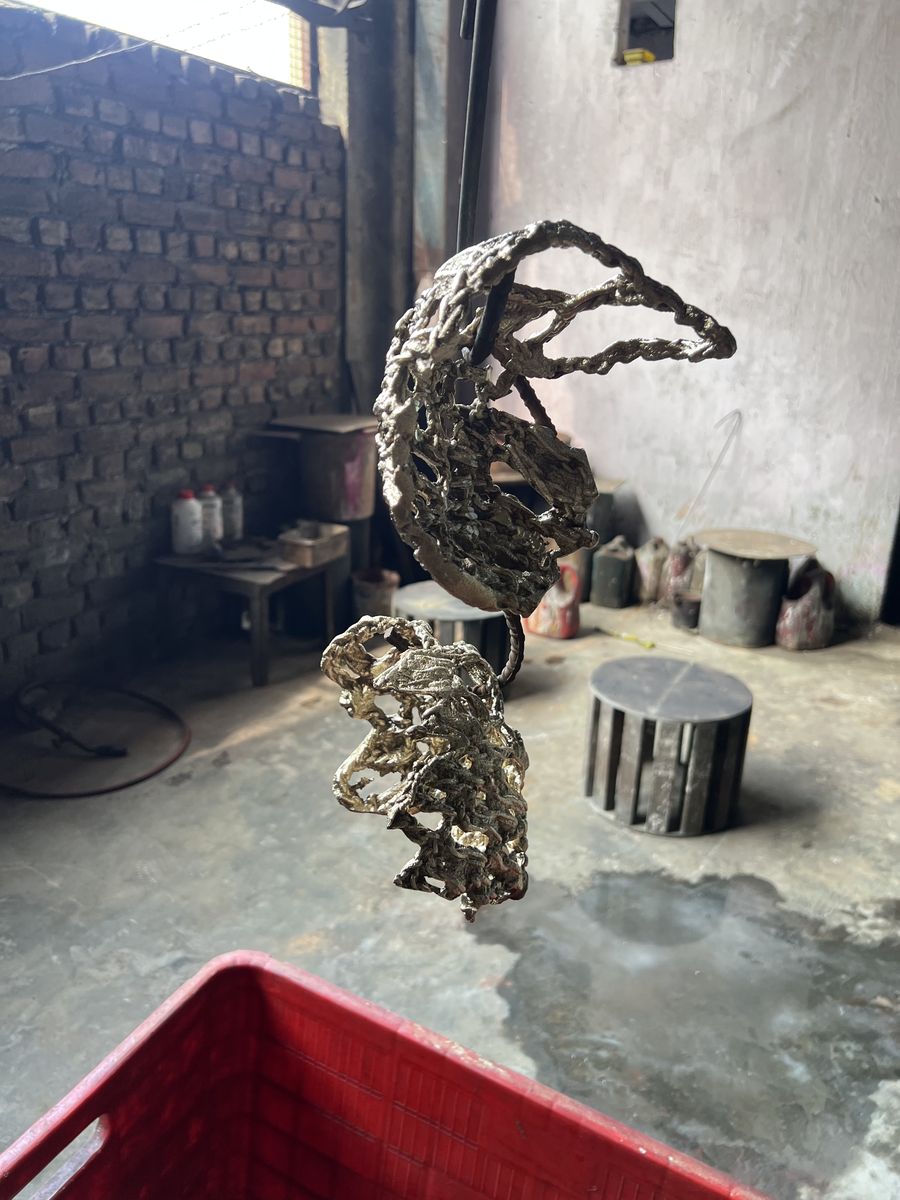
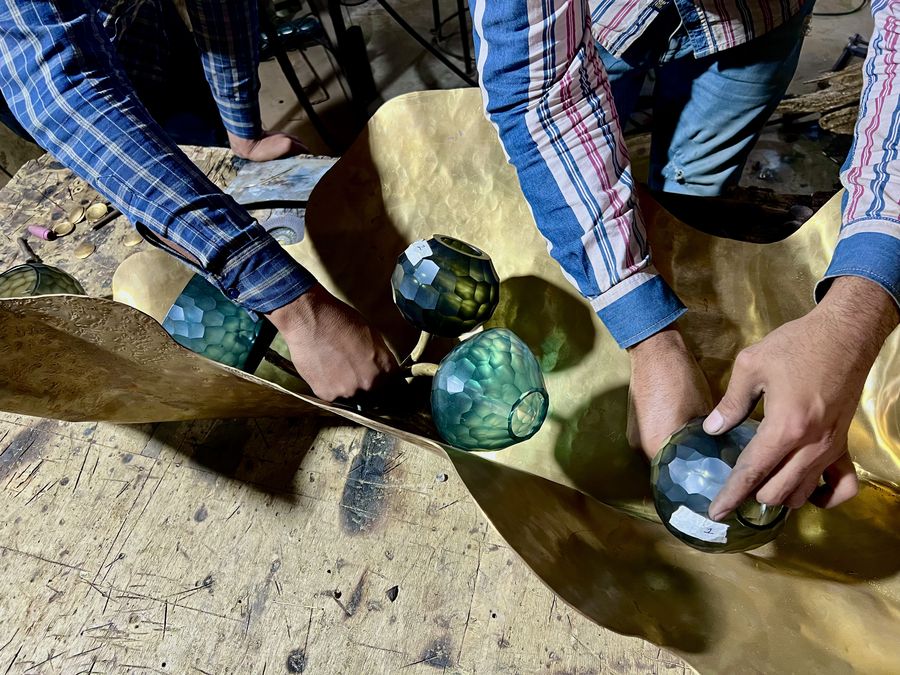
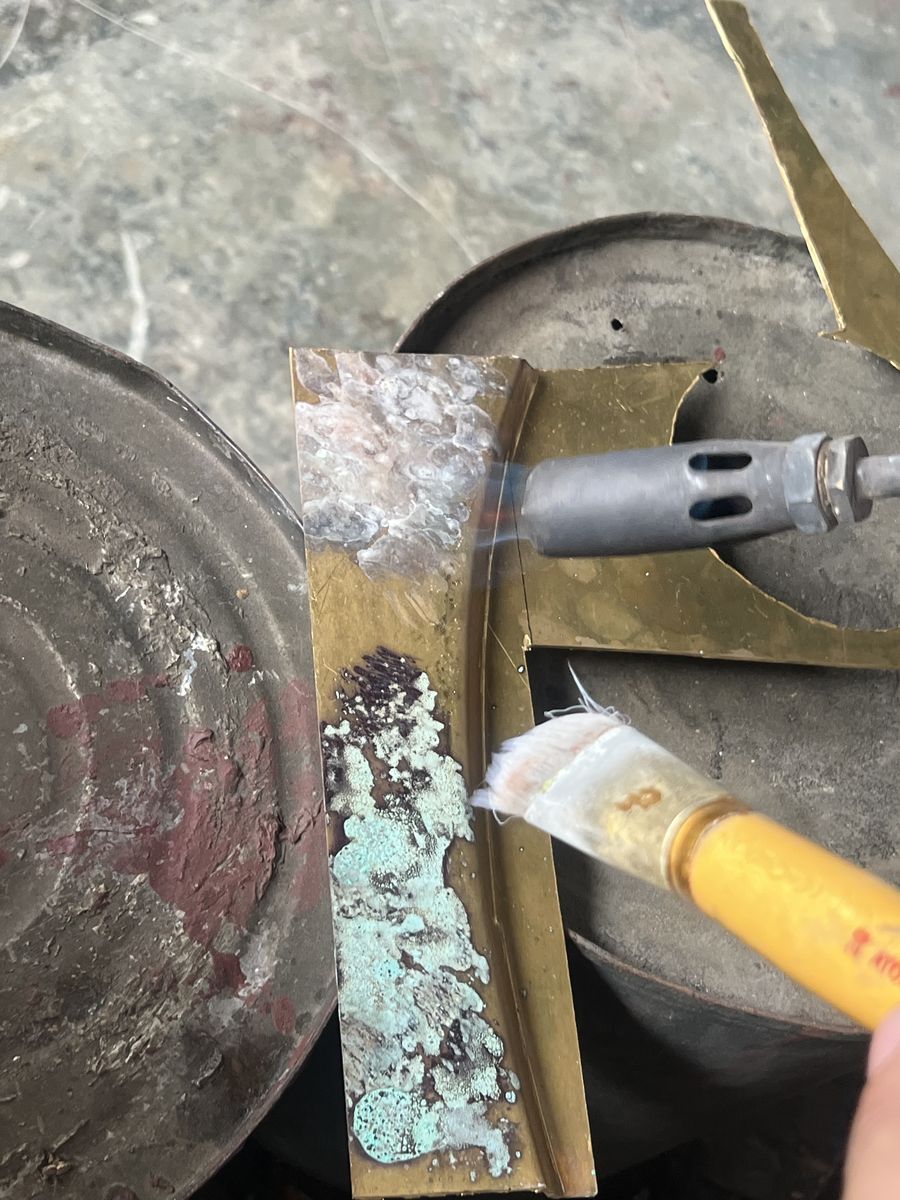
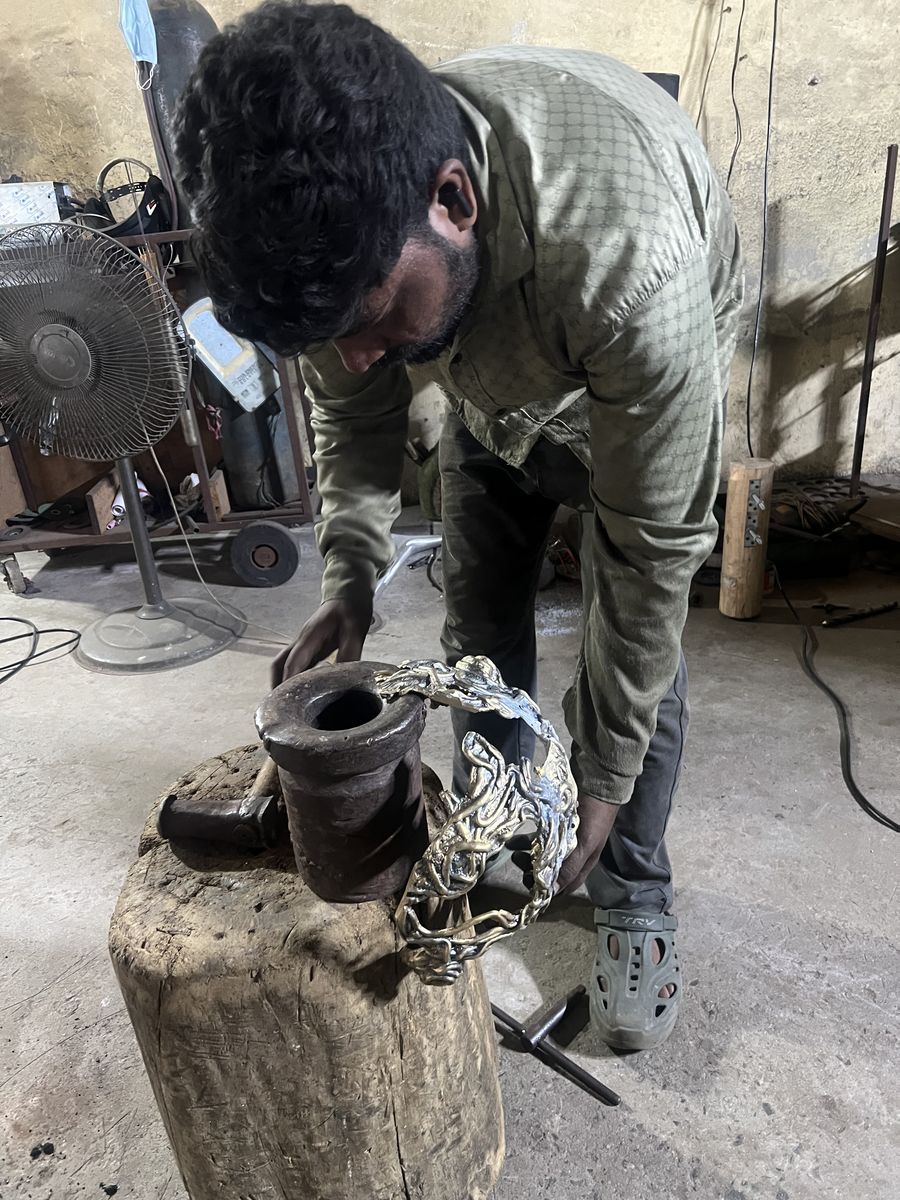
The shift from thread to metal, on the surface, happened almost accidentally. But somewhere deeper, it came from a place where their mind and hands were seeking a new material through which to express. As they began working with metal, they found themselves trying to shape it the way they would shape textile, coaxing it to bend, curve, and move. Over time, metal became an irreplaceable part of their vocabulary.
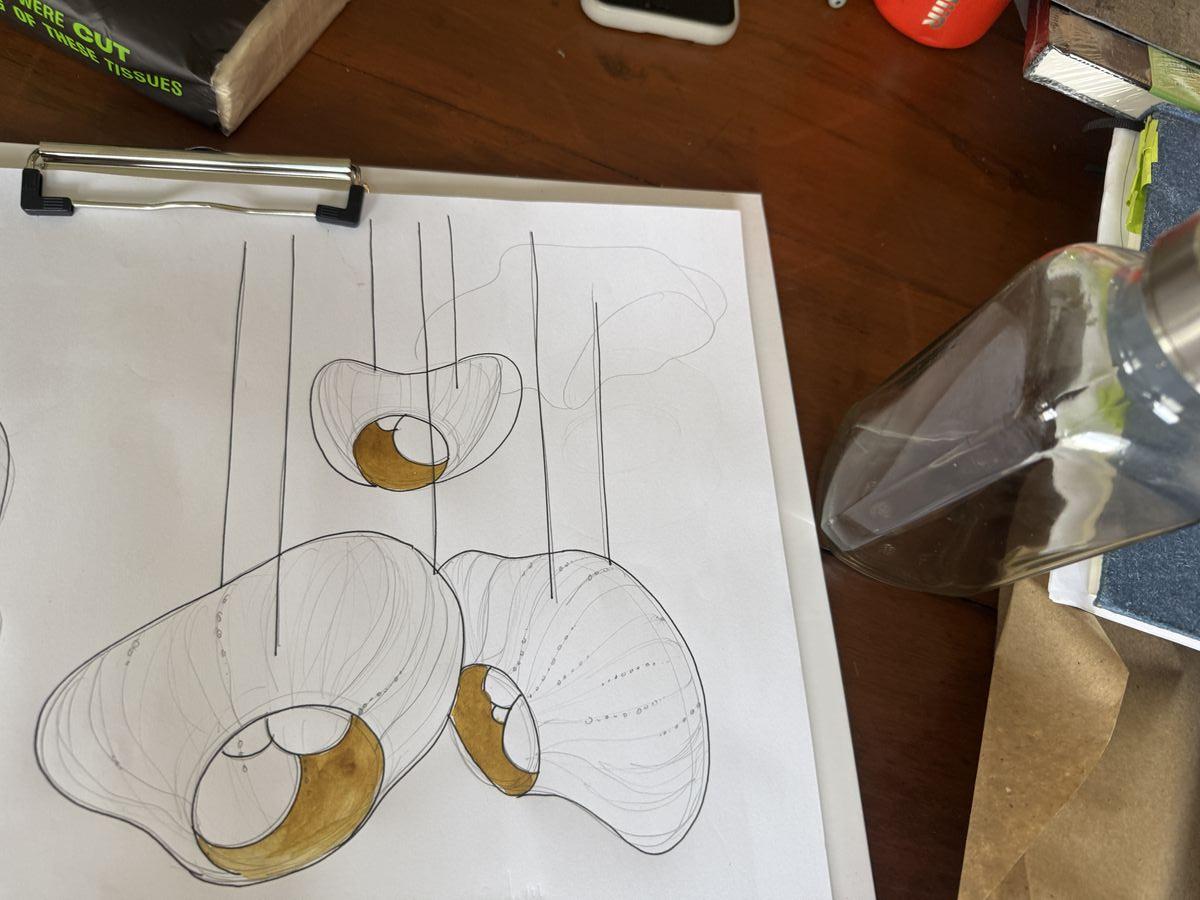
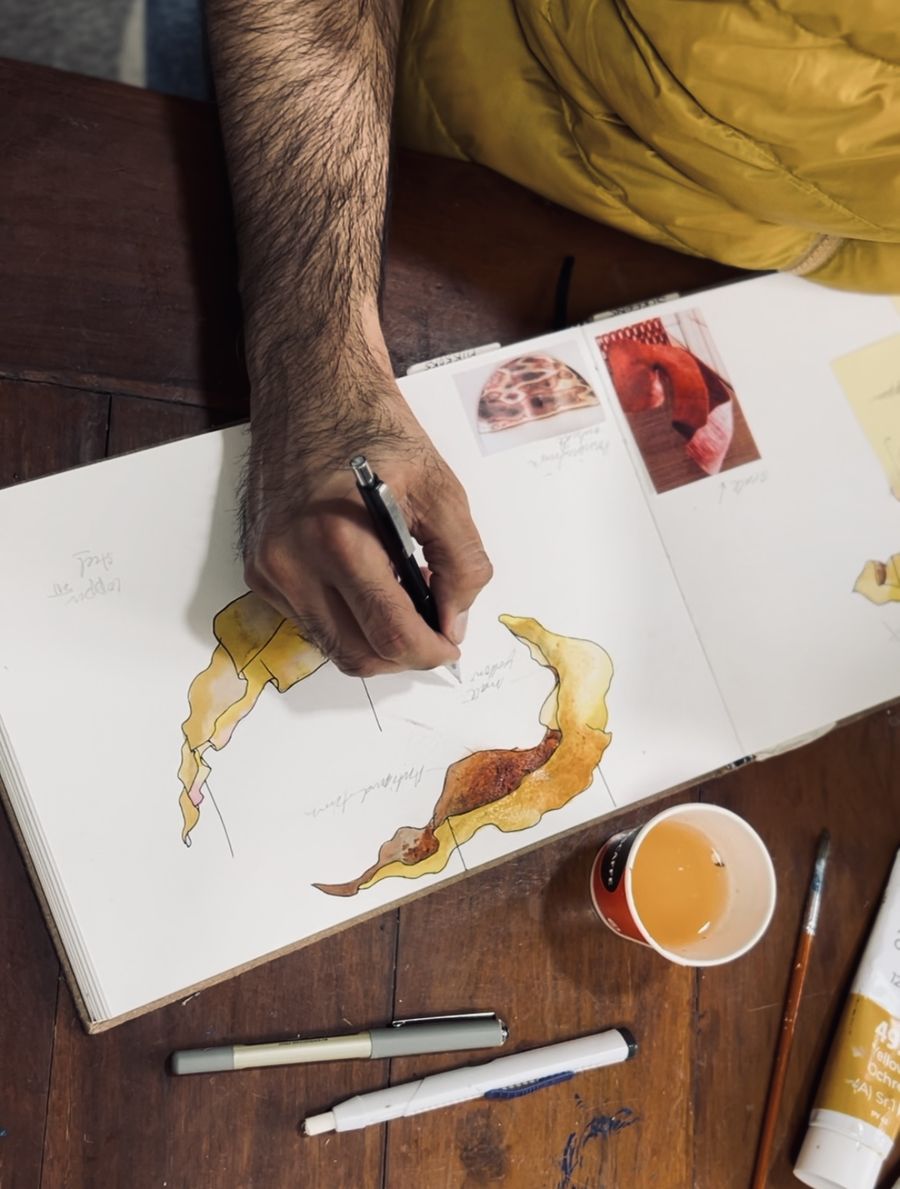
Prayaan, for them, became the avenue to explore the space between art and object, to walk that fine line between something functional and something contemplative. Their vision for Prayaan is that while the pieces may carry function, they also hold a strong sense of aesthetic, one that invites thought, incites possibilities, and lingers in one’s mind.